The calendar drives the plan, not the other way round
Content, ads and stock have to be in place before the window opens, not during. That means planning backwards from the season, which is a different exercise from a rolling monthly calendar.
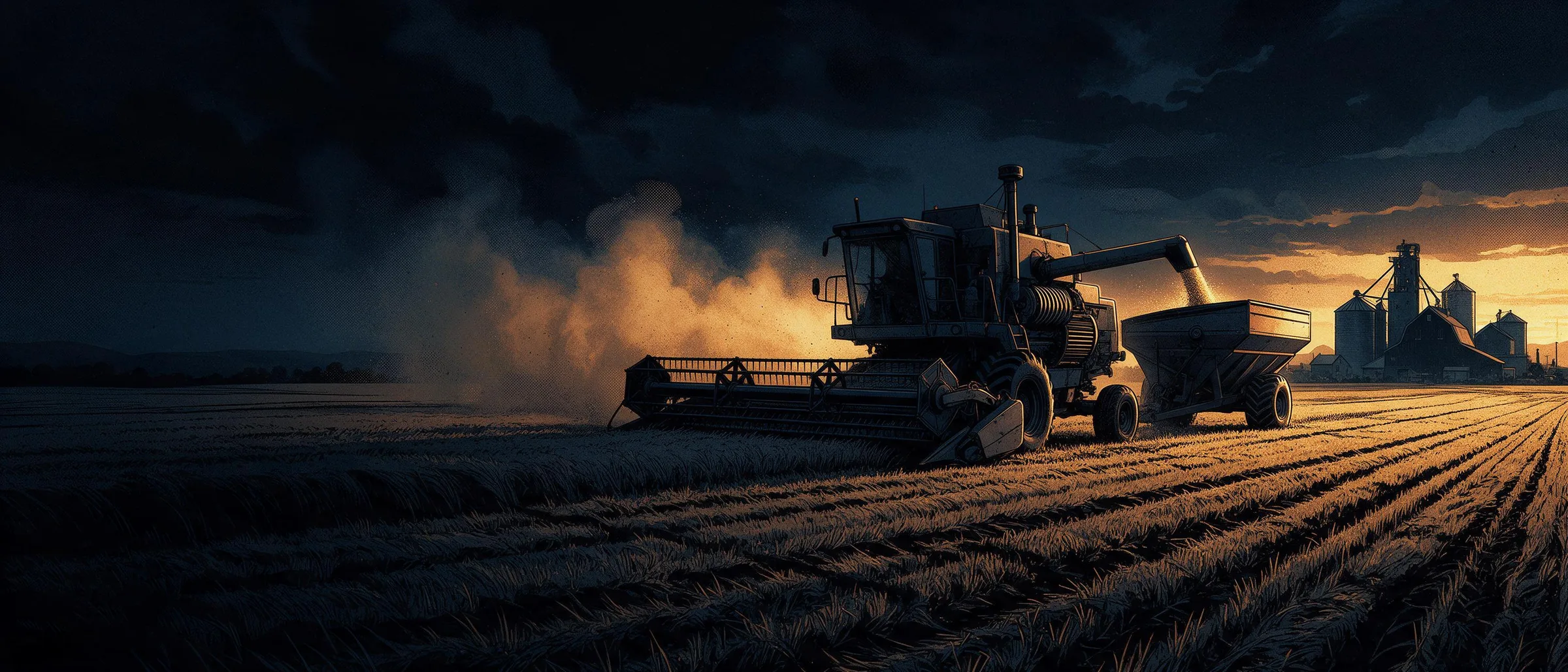
Marketing and systems for agricultural equipment makers, input suppliers and agroindustry, where the buying window opens and closes with the calendar.
See what AI reads on your site ↗The window is seasonal and short. A campaign that peaks two weeks late did not underperform: it missed the season entirely, and the next chance is a year away.
The buyer researches for months and decides in days. By the time they walk into a dealership they have already compared machines, financing and parts availability online.
Downtime is the whole argument. In harvest, a machine that stops for two days costs more than the difference between any two brands, so parts and service coverage outrank the spec sheet.
Content, ads and stock have to be in place before the window opens, not during. That means planning backwards from the season, which is a different exercise from a rolling monthly calendar.
Demand generated centrally has to arrive somewhere concrete. Without a clear route from the search to the nearest dealer, the enquiry evaporates between the two.
The machine is bought once. Parts are bought for a decade, and that is where both the margin and the loyalty live. Marketing that stops at the sale leaves the profitable half on the table.
The published cases for this sector are being documented. Meanwhile, here is what the demand looks like.
These are real monthly search volumes. The agricultural cluster is one of the largest in industrial B2B, and most of it carries low competition, which means the searches are being answered badly or not at all.
Google Keyword Planner, United States and Mexico, consulted 4 September 2026.
Twenty-two thousand searches a month with low competition is not a gap in the market: it is a market whose questions nobody has bothered to answer well. None of this promises you sales; it says the attention is unclaimed.
It stopped being true some time ago. A farm buyer researches machines, compares financing and checks parts availability from a phone, often in the field, and the search volumes on this page are theirs. What is true is that they are unimpressed by marketing language and will leave a page that does not answer a concrete question in the first screen.
That is the question to settle before anything is built, and it goes in the proposal. Usually the manufacturer generates the demand and routes it by geography to the nearest dealer, with the source attached so both sides can see where it came from. Without that route agreed, central marketing generates enquiries that nobody owns.
Not in agriculture yet, and we would rather say it than stretch one. What we bring is method and the sector data on this page. If the season is close and you need someone who already knows your crop cycle, that is a fair reason to wait for a reference we can name.
Every engagement starts with the Diagnostic — it decides what gets fixed first.
The service behind this page: industrial marketing for Agriculture & agribusiness ↗
See what AI reads on your site ↗